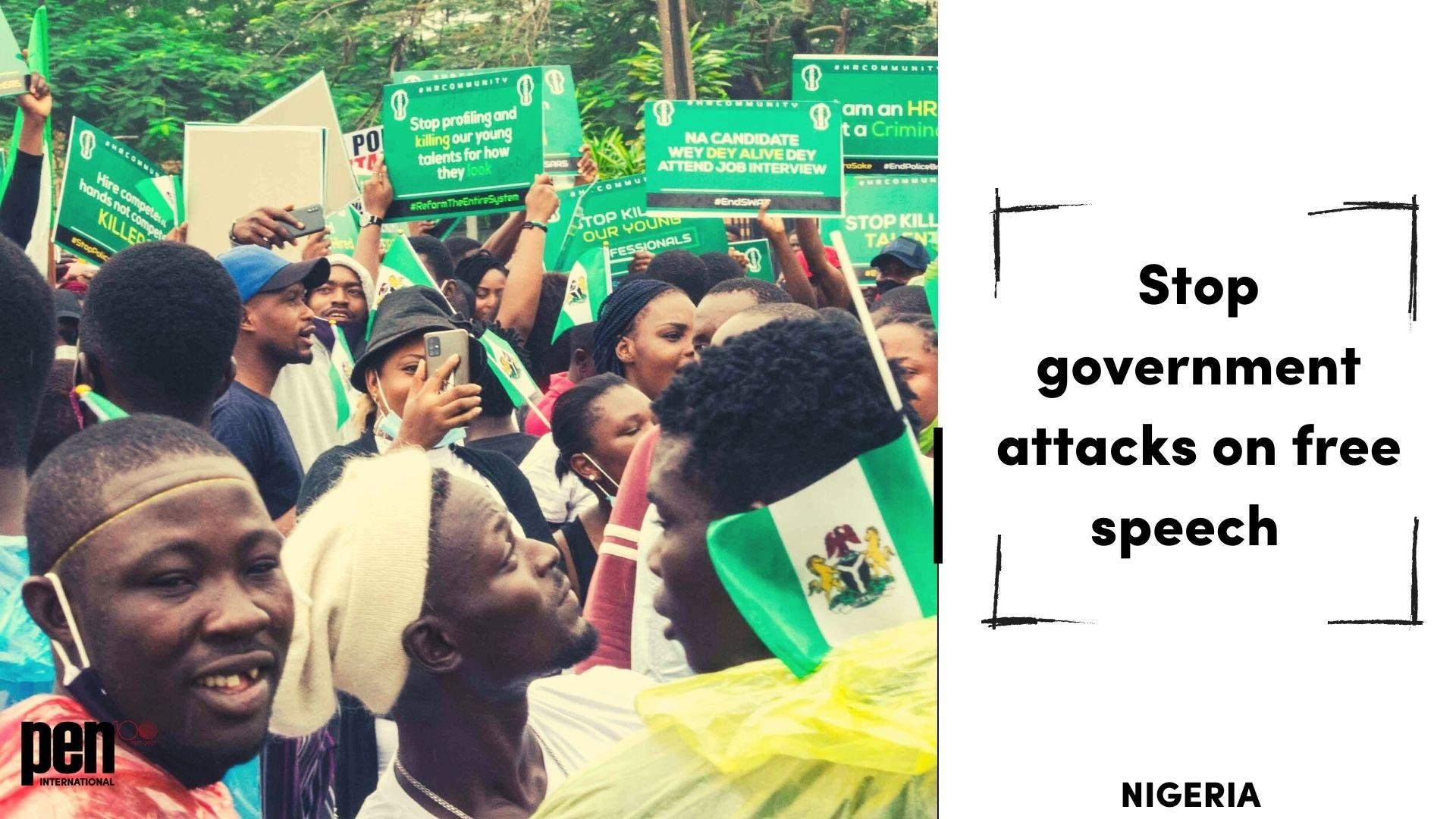
The Tinubu Government and the Suppression of Freedom of Speech in Nigeria

In recent months, the administration of President Bola Ahmed Tinubu has faced increasing scrutiny over its approach to freedom of speech in Nigeria. As a nation that prides itself on its democratic values, the suppression of free expression poses a significant threat to the very fabric of Nigerian society. The Tinubu government’s actions have raised alarms among civil rights advocates, journalists, and ordinary citizens who fear that their voices are being stifled.
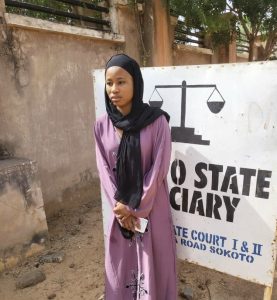
One of the most concerning developments has been the government’s crackdown on dissenting voices. Reports indicate that journalists and media outlets critical of the administration have faced harassment, intimidation, and even arrest. The use of legal frameworks, such as the Cybercrime Act and the National Broadcasting Code, has been criticized for being weaponized against those who dare to challenge the status quo. This has created a chilling effect, where many individuals and organizations self-censor to avoid repercussions.
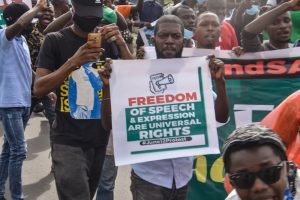
Social media, a platform that has historically provided a space for free expression, has also come under scrutiny. The Tinubu government has proposed regulations that many view as an attempt to control online discourse. These measures, which include monitoring and potentially censoring social media content, have sparked fears of a digital authoritarianism that could further limit the public’s ability to engage in open dialogue about pressing national issues.
Moreover, the government’s response to protests and public demonstrations has raised eyebrows. The recent crackdown on peaceful protests, particularly those advocating for social justice and accountability, has been met with widespread condemnation. The heavy-handed tactics employed by security forces, including the use of tear gas and live ammunition, have not only violated the rights of citizens but have also sent a clear message that dissent will not be tolerated.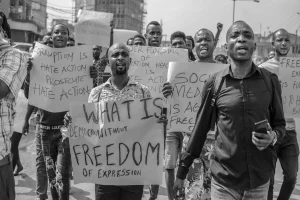
The implications of this suppression extend beyond the immediate impact on free speech. A society that stifles dissent is one that risks stagnation, as critical voices are essential for progress and accountability. The ability to express differing opinions fosters a healthy democracy, encourages innovation, and allows for the examination of government policies. What should be our role as Christians in all of these? It is a big threat to the truth and it’s turning the president to totalitarian leader. We need to pray for our dear nation as the leadership is drifting gradually frrom it’s major goal.  O
As Nigeria navigates its complex socio-political landscape, it is imperative that the Tinubu government reassesses its stance on freedom of speech. Upholding the rights of citizens to express their views without fear of retribution is not only a constitutional obligation but also a cornerstone of a thriving democracy. The future of Nigeria depends on its ability to embrace diverse perspectives and foster an environment where every voice can be heard.
Share this post