
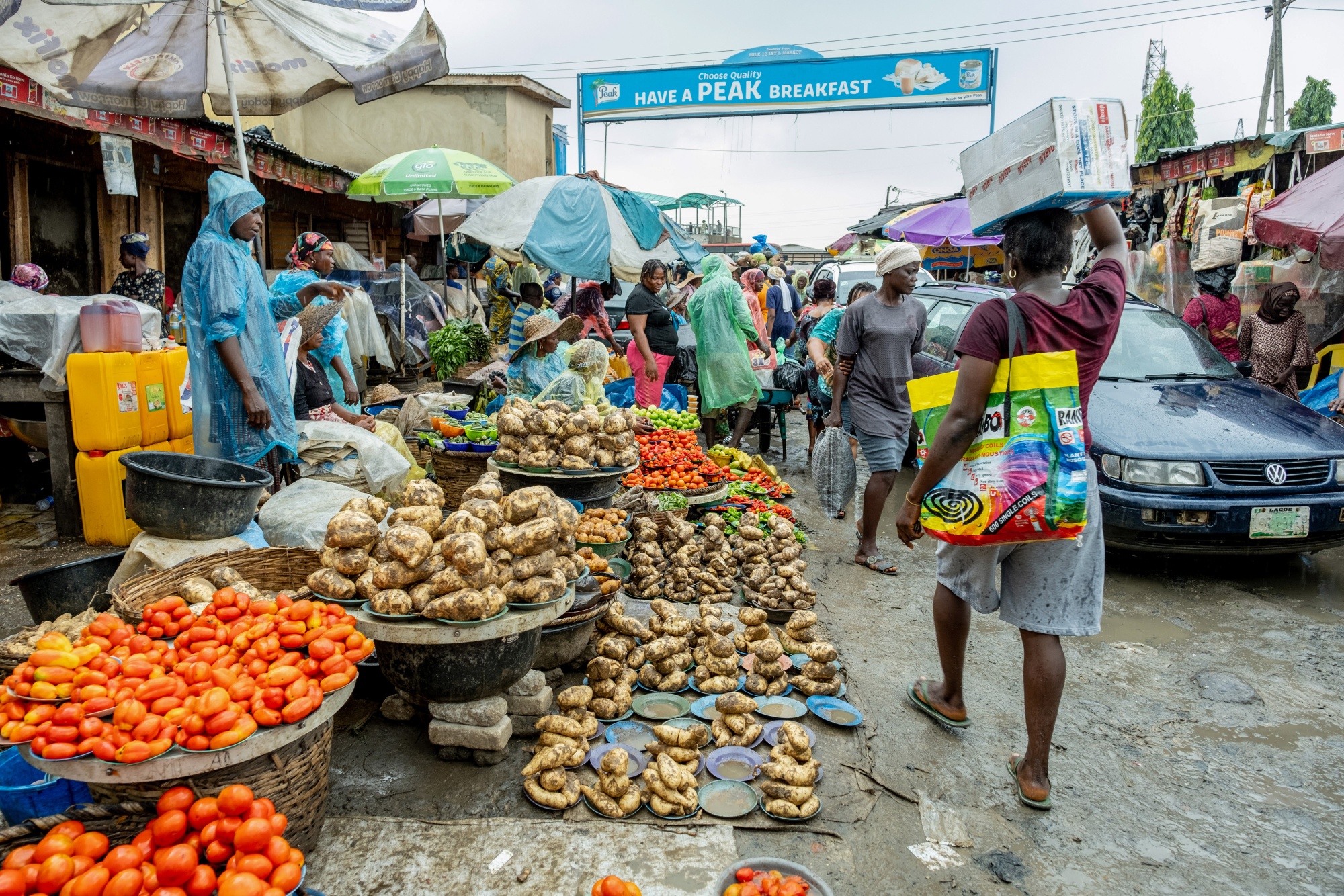
Navigating the High Cost of Living in Nigeria

In recent years, Nigeria has faced significant economic challenges, leading to a sharp increase in the cost of living. With inflation rates soaring and the naira depreciating against major currencies, many Nigerians are feeling the pinch. However, navigating this high cost of living is not insurmountable. With strategic planning and resourcefulness, individuals and families can adapt to these economic realities.
Understanding the Economic Landscape
The high cost of living in Nigeria can be attributed to several factors, including rising food prices, transportation costs, and housing expenses. The country’s reliance on imports for essential goods, coupled with fluctuating oil prices, has exacerbated these issues. Additionally, the ongoing security challenges in various regions have disrupted supply chains, further driving up prices.
Budgeting Wisely
One of the most effective ways to manage the high cost of living is through careful budgeting. Individuals should start by tracking their income and expenses to identify areas where they can cut back. Creating a monthly budget allows for better financial planning and helps prioritize essential expenses such as food, housing, and healthcare. By distinguishing between needs and wants, families can make informed decisions about their spending.
Embracing Local Products
To combat rising food prices, Nigerians can benefit from embracing locally produced goods. Supporting local farmers and markets not only helps reduce costs but also stimulates the local economy. Seasonal fruits and vegetables are often more affordable and fresher than imported options. Additionally, exploring traditional recipes that utilize local ingredients can lead to healthier and more cost-effective meal options.
Transportation Alternatives
Transportation costs can significantly impact the overall cost of living. With fuel prices fluctuating, many Nigerians are seeking alternative modes of transport. Carpooling, using public transportation, or even cycling can help reduce expenses. In urban areas, ride-sharing apps have become popular, offering a more affordable and convenient way to navigate the city. By being flexible and open to different transportation options, individuals can save money while still getting to their destinations.
Housing Solutions
Housing is often one of the largest expenses in a household budget. In response to the high cost of rent, many Nigerians are exploring alternative living arrangements. Co-housing or shared accommodations can significantly reduce living expenses. Additionally, considering less expensive neighborhoods or suburbs can provide more affordable housing options without sacrificing quality of life.
Financial Literacy and Investment
Improving financial literacy is crucial in navigating the high cost of living. Understanding basic financial principles, such as saving, investing, and managing debt, can empower individuals to make better financial decisions. Investing in skills development or education can also lead to better job opportunities and increased income potential.
Conclusion
While the high cost of living in Nigeria presents significant challenges, it is possible to navigate these difficulties with careful planning and resourcefulness. By budgeting wisely, embracing local products, exploring transportation alternatives, considering housing solutions, and improving financial literacy, Nigerians can adapt to the current economic landscape. With resilience and creativity, individuals and families can not only survive but thrive in these trying times.
Rev Oyewole Adebare Johnson
Share this post




Thoughtful and timely, thanks for the enlightenment.
God bless you Rev
You are welcome, sir. May God grant us the needed insights to scale through the current economic hardship and take its advantage for God’s glory.