Nigerian Church has failed to intentionally raise, train, and prepare genuine children of God for governance

Why Nigeria’s Church Must Intentionally Raise Leaders for Governance
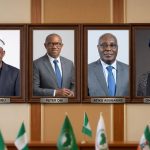
In the just concluded weekend I pulled out a post demanding christians to make their choice of candidate amongst the four populous presidential candidates but unfortunately they seem to have no confidence in any of them.
Nigeria’s political landscape has long been defined by a glaring contradiction: it is a nation deeply steeped in religiosity, yet severely impoverished in godly leadership. Every Sunday, millions of citizens throng into massive church auditoriums, raising hands in worship and listening to fiery sermons. Yet, the nation continue to grapple with systemic corruption, broken infrastructure, and a leadership deficit that defies logic.

While it is easy to point fingers at the political class, a deeper diagnosis reveals a uncomfortable truth: the primary reason Nigeria lacks godly political leaders is because the Nigerian Church has failed to intentionally raise, train, and prepare genuine children of God for governance. For decades, the body of Christ in Nigeria has treated politics as a taboo, inadvertently ceding the corridors of power to those least equipped with the moral fortitude to lead.
The Sacred-Secular Divide: A Flawed Theology
For generations, a flawed theology has permeated the Nigerian Church. Politics has been labeled as a “dirty game” meant only for worldly people. Christians who showed interest in public office were often viewed with suspicion, warned that politics would corrupt their faith and cost them their salvation.
By retreating into a cocoon of hyper-spirituality, the church created a vacuum. This sacred-secular divide taught believers that true service to God happens only within the four walls of the church, as pastors, ushers, choir members, or protocol officers. Meanwhile, the strategic mountains of societal influence, particularly governance, were left completely unattended. The church forgot that when the righteous are in authority, the people rejoice, but when the wicked rule, the people groan. You cannot pray for a righteous nation while actively discouraging righteous people from entering leadership.
Beyond Intercession: The Need for Intention
The Nigerian Church is arguably one of the most prayerful Christian communities in the world. National fasting and prayer crusades for Nigeria are a regular staple. However, prayer without preparation is an exercise in futility. The church has spent decades praying for good leaders but has done very little to intentionally produce them.
Godly leadership does not happen by accident, nor does it happen simply because a politician is a church goer or carries a Christian name. True governance requires competence, structural understanding, economic literacy, and an unyielding ethical framework. A Christian who enters politics without being specifically trained to handle the temptations of power, the complexities of public policy, and the pressure of institutional corruption will either compromise or be swallowed by the system. The church must move past merely holding prayer sessions for elections; it must become the incubator where governance-ready leaders are formed.
A Blueprint for the Future Church
If Nigeria is to see a new dawn of godly governance, the church must radically shift its paradigm from isolation to active engagement. This requires a deliberate, three-tiered approach:
• De-stigmatize Politics from the Pulpit: Pastors must change the narrative. Governance must be preached as a legitimate, noble calling and a form of ministry to humanity. Believers must understand that civic engagement is a spiritual responsibility.
• Establish Governance Academies: The church must use its vast resources to create structured leadership institutes. These academies should train genuine Christians in public policy, constitutional law, economics, diplomacy, and ethical leadership.
• Create Support and Accountability Systems: The church must not abandon its own when they enter public office. The body of Christ must provide both spiritual covering to protect them and an accountability framework to ensure they stick to the values of the Kingdom while serving the public.
Conclusion
Nigeria’s redemption will not come from political parties or recycled promises; it will come when individuals with the fear of God and exceptional professional competence step into the arena of power.
The church cannot continue to complain about the quality of leadership in Nigeria while refusing to harvest and cultivate the seeds of leadership within its pews. It is time for the Nigerian Church to realize that the ultimate proof of its impact is not the height of its steeples or the size of its congregations, but the righteousness and justice prevailing in the nation. The church must start raising, training, and deploying genuine children of God to govern. Nigeria is waiting.
Share this post